Physicians
PracticeRx Medical Group
Dual board-certified psychiatric/PCP w/ over decade of ADHD experience, including my own. I was diagnosed with ADHD during my second year of graduate training. I know what it feels like when your brain doesn't seem to work the way everyone elses.
About this provider
Most people with ADHD aren't struggling because they lack discipline or intelligence. They're struggling because their brain's reward system is wired differently. The good news is that system can be trained.
I use a habit-based protocol built around neurochemistry. Here's a quick example: I have patients start with a short task, 10 to 15 minutes, something with a clear ending like folding laundry or writing one email. When they finish, they check a box and say out loud, "I finished that." Simple (maybe silly too) but deliberate. What this does is directly signal the area of the brain that produces dopamine and teaches it that completing tasks is rewarding. Over time, that becomes automatic. Your brain starts seeking the feeling of finishing things instead of avoiding them.
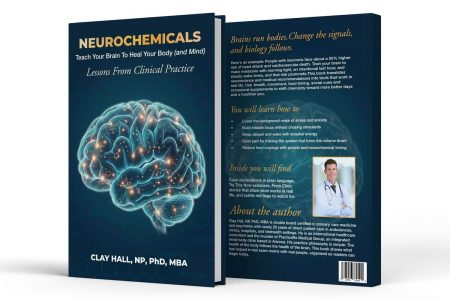
This is one of several protocols I cover with patients, and that I detail in my upcoming book, Neurochemicals: Teach Your Brain to Heal Your Body (and Mind), expected Fall 2027 through Luminare Press.
On medication: I prescribe both stimulants and non-stimulants when they fit the best outcome. But I don't hand someone an Adderall prescription and say see you in a month. Medication works best when it helps you implement the habits and mindset shifts that create lasting change. The goal, if you want it, is to need less over time, not more.
If this approach resonates with you and you want to explore working together, reach out. Email or call/text the number below. ADHD clients are my favorite to work with because I've seen what changes when someone finally understands how their brain works, and I felt it myself.
Photos

1. Adult ADHD treatment || 2. ADHD medication management || 3. Online ADHD psychiatry || 4. ADHD telehealth || 5. ADHD diagnosis adult || 6. Stimulant and non-stimulant ADHD || 7. ADHD executive function || 8. ADHD Arizona || 9. ADHD dopamine focus || 10. ADHD without medication long-term
Ratings & reviews
No reviews yet.
Log in to review this provider.